As the leaves begin to change and temperatures start to drop, savvy homeowners know that fall is the perfect time to tackle essential maintenance tasks. Whether you're planning to sell your home this winter or simply want to protect your investment, a comprehensive fall maintenance routine can save you thousands in emergency repairs and boost your property's value.
Why Fall Maintenance Matters More Than You Think
Fall maintenance isn't just about comfort—it's about protecting your home's structural integrity and your wallet. Winter weather can be particularly harsh on properties, and small issues left unaddressed in fall often become costly emergencies by spring. For sellers, a well-maintained home signals quality to potential buyers and can justify a higher asking price.
Exterior: Your Home's First Line of Defense
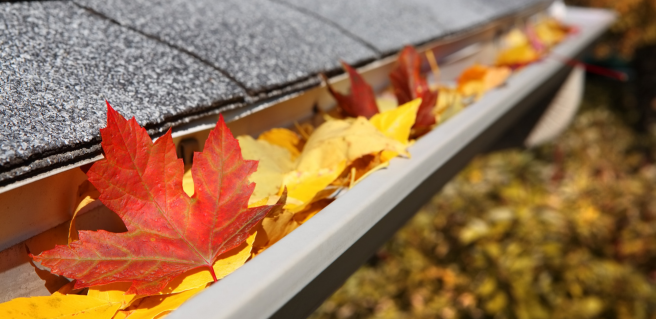
Roof and Gutters Start from the top and work your way down. Clean all gutters and downspouts, removing leaves, debris, and any blockages. Check for loose or damaged gutters and ensure proper drainage away from your foundation. Inspect your roof for missing, cracked, or loose shingles, and address any issues before winter storms arrive.
Windows and Doors Inspect all exterior windows and doors for gaps, cracks, or damaged weatherstripping. Replace worn caulking around windows and door frames to prevent drafts and moisture infiltration. Consider adding storm doors or windows if you haven't already—they can significantly improve energy efficiency.
Siding and Foundation Walk around your home's perimeter, checking for damaged siding, loose boards, or cracks in brick or stone. Look for gaps where pests might enter and seal them promptly—this is an important step because this is where they look to move from the outside to the inside as temperatures drop. Inspect your foundation for cracks or signs of settling, and ensure proper grading directs water away from the house.
Outdoor Spaces Drain and store garden hoses to prevent freezing and pipe damage. Shut off exterior water valves and consider installing faucet covers. Clean and store outdoor furniture, and inspect decks and patios for loose boards or railings that winter weather might worsen.
Interior: Creating Comfort and Efficiency
HVAC System Schedule a professional heating system inspection and tune-up before you need it most. Replace air filters—dirty filters reduce efficiency and can strain your system. Test your thermostat and consider upgrading to a programmable model to optimize energy usage. Don't forget to reverse ceiling fans to circulate warm air more effectively.
Fireplace and Chimney If you have a fireplace, have the chimney professionally cleaned and inspected. Check the damper to ensure it opens and closes properly, and inspect the fireplace screen for damage. Stock up on seasoned firewood if you plan to use your fireplace regularly.
Plumbing Preparations Insulate pipes in unheated areas like basements, crawl spaces, and garages to prevent freezing. Know where your main water shut-off valve is located in case of emergencies. Consider having your water heater serviced, especially if it's showing signs of age.
Safety Systems Test all smoke detectors and carbon monoxide detectors, replacing batteries as needed. Many experts recommend changing detector batteries when daylight saving time ends in fall—it's an easy way to remember this crucial safety task. Check that fire extinguishers are properly charged and easily accessible. Review your family's emergency preparedness plan and update emergency supply kits.
Energy Efficiency: Small Changes, Big Savings
Simple weatherization steps can significantly reduce your heating bills this winter. Add weather stripping to doors and windows, install door sweeps, and consider using window film on older windows. Check attic and basement insulation levels—proper insulation can reduce energy costs by 10-15%.
When to Call the Professionals
While many fall maintenance tasks are DIY-friendly, some require professional expertise. Consider hiring professionals for roof inspections, HVAC tune-ups, chimney cleaning, and any electrical work. These investments often pay for themselves through prevented damage and improved efficiency.
Creating Your Personal Maintenance Schedule
Start your fall maintenance routine in early September when weather is still mild. Tackle exterior tasks first while conditions are favorable, then move to interior projects. Create a checklist and check off tasks as you complete them—this systematic approach ensures nothing gets overlooked.
The Bottom Line for Your Investment
Regular fall maintenance protects your home's value and prevents minor issues from becoming major problems. For homeowners planning to sell, a well-maintained property demonstrates pride of ownership and can command premium pricing. For those staying put, these efforts translate to lower utility bills, fewer emergency repairs, and greater peace of mind throughout the winter months.
Remember, your home is likely your largest investment. A few weekends spent on fall maintenance can save thousands in repairs and add significant value to your property. Start early, be thorough, and don't hesitate to call professionals when needed. Your future self—and your bank account—will thank you when spring arrives.