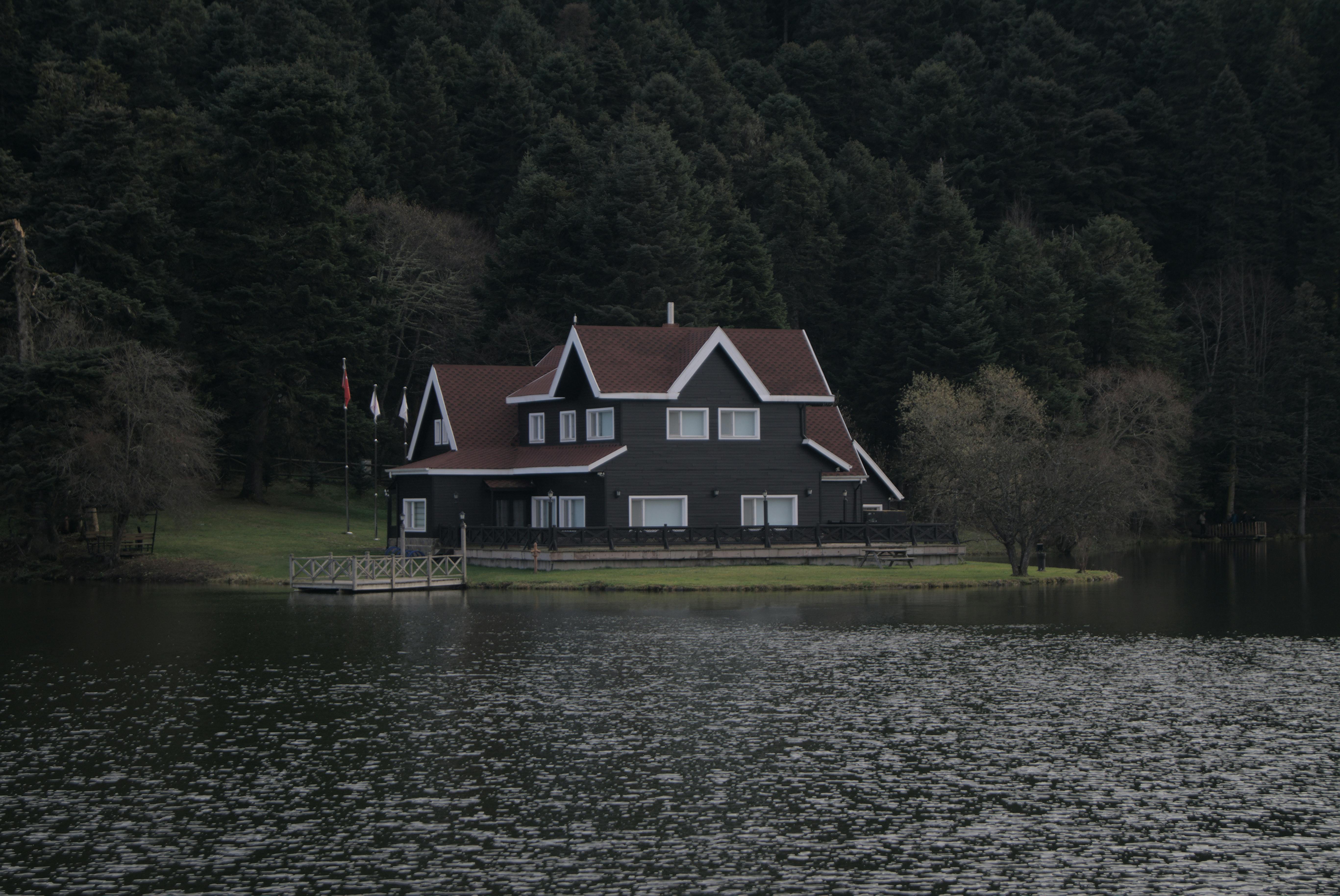
Nova Scotia's identity is deeply tied to water. With over 7,400 kilometres of coastline and countless pristine lakes dotting the interior, waterfront living is more than a luxury here—it's a way of life. But when it comes to choosing between oceanfront and lakefront properties, the decision involves more than just personal preference. Each offers distinct advantages, challenges, and lifestyles worth considering.
The Appeal of Oceanfront Living
There's something undeniably magnetic about oceanfront properties in Nova Scotia. The rhythmic sound of waves, the salty breeze, and endless horizons create an atmosphere that's hard to replicate anywhere else.
The Advantages
Oceanfront properties offer unparalleled views and direct access to maritime activities. Whether you're interested in sailing, kayaking, or simply watching fishing boats return to harbor at sunset, ocean living puts you at the heart of Nova Scotia's coastal culture. Many oceanfront communities, particularly along the South Shore and Cape Breton, offer vibrant local scenes with festivals, seafood markets, and tight-knit neighborhoods.
The potential for property value appreciation can also be strong, especially in established coastal communities like Chester, Mahone Bay, or areas around Halifax Harbour. Ocean properties are often sought after by retirees, artists, and those seeking the quintessential Nova Scotia experience.
The Challenges
Oceanfront ownership comes with unique responsibilities. Salt air accelerates corrosion on vehicles, outdoor furniture, and building materials, requiring more frequent maintenance. Properties near the ocean often face higher insurance premiums due to storm exposure and potential flooding risks. Coastal erosion is an increasing concern in some areas, making due diligence about shoreline stability essential before purchasing.
Winter can be particularly harsh on oceanfront properties, with powerful storms and ice creating accessibility challenges. Septic systems and wells near the coast may also face saltwater intrusion issues in certain locations. Additionally, ocean properties typically command premium prices, especially in popular areas within reasonable commuting distance to Halifax.
The Charm of Lakefront Properties
Nova Scotia's lakes offer a different kind of waterfront magic. From the expansive Bras d'Or Lakes in Cape Breton to smaller gems like Lake William, Lake Banook, or the Musquodoboit Valley lakes, lakefront living provides tranquility and recreation in a more sheltered setting.
The Advantages
Lakefront properties generally offer calmer waters, making them ideal for families with young children, swimming enthusiasts, and those who prefer paddleboarding or canoeing in protected environments. The water is often warmer than the ocean, extending the swimming season considerably.
Maintenance tends to be less intensive without the corrosive effects of salt air. Lakefront properties are often more affordable than comparable oceanfront homes, giving buyers more property for their investment. Many lakes in Nova Scotia have established cottage communities with strong social networks and shared amenities.
Privacy is another advantage. While popular lakes can be busy in summer, many offer secluded coves and quieter atmospheres than bustling coastal towns. Lakes also provide excellent fishing opportunities, from trout to bass, depending on the body of water.
The Challenges
Lake properties come with their own considerations. Water quality can vary significantly, and some lakes experience algae blooms, particularly in warmer months. It's important to research the specific lake's environmental health and any watershed protection regulations that might affect property use.
Access can be an issue with some lakefront properties located down long, unpaved roads that may be difficult to navigate in winter. Unlike oceanfront properties, which benefit from the moderating effects of the Atlantic, lakefront homes in the interior can experience more extreme seasonal temperature variations.
Some lakes have restrictions on motorized boats or specific bylaws about shoreline development. Additionally, lake properties may feel more isolated, with fewer nearby amenities compared to coastal communities.
Making Your Decision
Choosing between oceanfront and lakefront ultimately depends on your lifestyle priorities, budget, and long-term goals.
Choose oceanfront if you:
- Want to be part of Nova Scotia's maritime heritage and culture
- Enjoy dramatic scenery and don't mind dynamic weather
- Value proximity to coastal communities and amenities
- Are prepared for higher maintenance and insurance costs
- Seek a property with strong investment potential in established markets
Choose lakefront if you:
- Prefer calmer waters and a more sheltered environment
- Have a family-focused lifestyle with emphasis on swimming and water sports
- Want lower maintenance requirements and costs
- Value privacy and tranquility over community atmosphere
- Are looking for better value with more property for your budget
Final Thoughts
Both oceanfront and lakefront properties offer incredible opportunities to embrace Nova Scotia's natural beauty. The best choice isn't about which is objectively better, but which aligns with your vision of waterfront living. Before making any decision, spend time in the area during different seasons, talk to neighbors, research environmental factors, and work with a real estate professional who understands the unique considerations of waterfront properties in Nova Scotia.
Whether you're drawn to the wild beauty of the Atlantic or the peaceful shores of an inland lake, waterfront living in Nova Scotia offers a quality of life that's truly special. The key is finding the waterfront that feels like home to you.