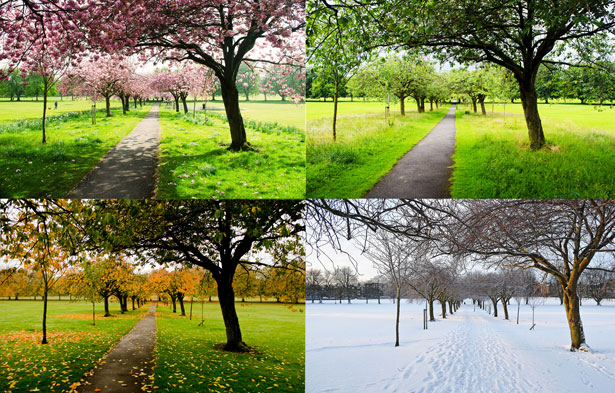
The rhythm of Nova Scotia's distinct seasons doesn't just paint our landscapes in stunning colors—it also creates predictable patterns in our real estate market. Understanding these seasonal fluctuations can give both buyers and sellers a significant advantage when timing their moves in the Nova Scotia housing market.
Spring: The Market Awakens
As the snow melts and Halifax's trees begin to blossom, Nova Scotia's real estate market traditionally comes alive. Spring typically sees the highest inventory levels as sellers emerge from winter hibernation, eager to list their homes when curb appeal is at its peak.
Price Impact: Increased competition among buyers often drives prices up during April and May. Properties with attractive outdoor spaces—whether it's a backyard in Clayton Park or waterfront access in Chester—command premium prices as buyers envision summer entertaining.
What This Means: Sellers benefit from maximum exposure and competitive bidding, while buyers face the most competition but also the widest selection of homes.
Summer: Peak Season Premium
Nova Scotia summers are precious, and the real estate market reflects this. With families wanting to settle before the school year and out-of-province buyers drawn by our stunning coastlines and vibrant summer communities, July often represents the year's price peak.
Price Impact: Waterfront properties and homes in tourist-friendly areas like the South Shore or Annapolis Valley see their highest premiums. Even urban properties benefit as buyers are more willing to pay top dollar when they can fully appreciate outdoor spaces and neighborhood amenities.
Regional Variations: While HRM (Halifax Regional Municipality) maintains steady activity, seasonal communities like Mahone Bay or Lunenburg see dramatic price spikes as both permanent residents and cottage buyers compete for limited inventory.
Fall: The Strategic Season
September through November often presents the sweet spot for savvy buyers. As summer euphoria fades and winter approaches, both inventory and buyer competition typically decrease, creating opportunities for price negotiations.
Price Impact: Properties that didn't sell during peak season may see price reductions. Sellers become more motivated as they face the prospect of carrying their homes through winter. However, quality properties in desirable Halifax neighborhoods like the South End or Dartmouth's waterfront still command strong prices.
The Back-to-School Factor: Families with school-aged children become less active in the market, reducing competition for family homes while maintaining demand for starter homes and investment properties.
Winter: The Quiet Opportunity
Nova Scotia winters can be long,, and our real estate market reflects this reality. December through February typically sees the lowest inventory and buyer activity, but this creates unique opportunities for serious participants.
Price Impact: Truly motivated sellers remain on the market, often willing to negotiate on price. Properties with excellent heating systems, snow removal services, or covered parking gain relative value. However, homes with deferred maintenance or heating issues may struggle to attract buyers at any price.
The Dedicated Buyer Advantage: Winter buyers face minimal competition and encounter sellers who are often relocating for work or other urgent reasons, creating negotiating power that doesn't exist in warmer months.
Local Factors That Amplify Seasonal Effects
Climate Considerations: Our Atlantic weather patterns mean that spring arrives later and winter lingers longer than in central Canada, extending the traditional slow season and compressing the peak selling period.
Tourism Economy: Areas dependent on tourism—from Peggy's Cove to Cape Breton's Cabot Trail—see more dramatic seasonal price swings as vacation property demand fluctuates with tourist seasons.
Military and Government Presence: Halifax's significant military and government workforce creates unique patterns, with many relocations timed around fiscal years and posting schedules rather than traditional seasonal preferences.
University Influence: With multiple universities in Halifax, student housing markets create counter-seasonal pressures, with rental demand peaking in late summer and affecting entry-level home purchases.
Timing Your Move: Practical Advice
For Sellers: List in late winter (February-March) to catch early spring buyers, or consider fall listings if your home has strong winter appeal features like efficient heating or snow-cleared access.
For Buyers: Late fall through early winter often provides the best negotiating position, while spring offers maximum selection despite higher prices.
For Investors: Winter purchases often yield the best deals, particularly for renovation projects that can be completed during slower months and relisted for spring.
The Bottom Line
While seasonal patterns are consistent in Nova Scotia's real estate market, local factors like job markets, interest rates, and regional development can override seasonal trends. The key is understanding these patterns while remaining flexible enough to recognize when market conditions create opportunities outside typical seasonal expectations.
Whether you're watching ice form on Bedford Basin or enjoying a summer evening in Wolfville, remember that Nova Scotia's real estate market moves with our seasons—and timing your move with these natural rhythms can save you thousands or help you maximize your sale price.