Connecting you to community through Real Estate

You’ll find our blog to be a wealth of information, covering everything from local market statistics and home values to community happenings. That’s because we care about the community and want to help you find your place in it. Please reach out if you have any questions at all. We’d love to talk with you!

April 17, 2026

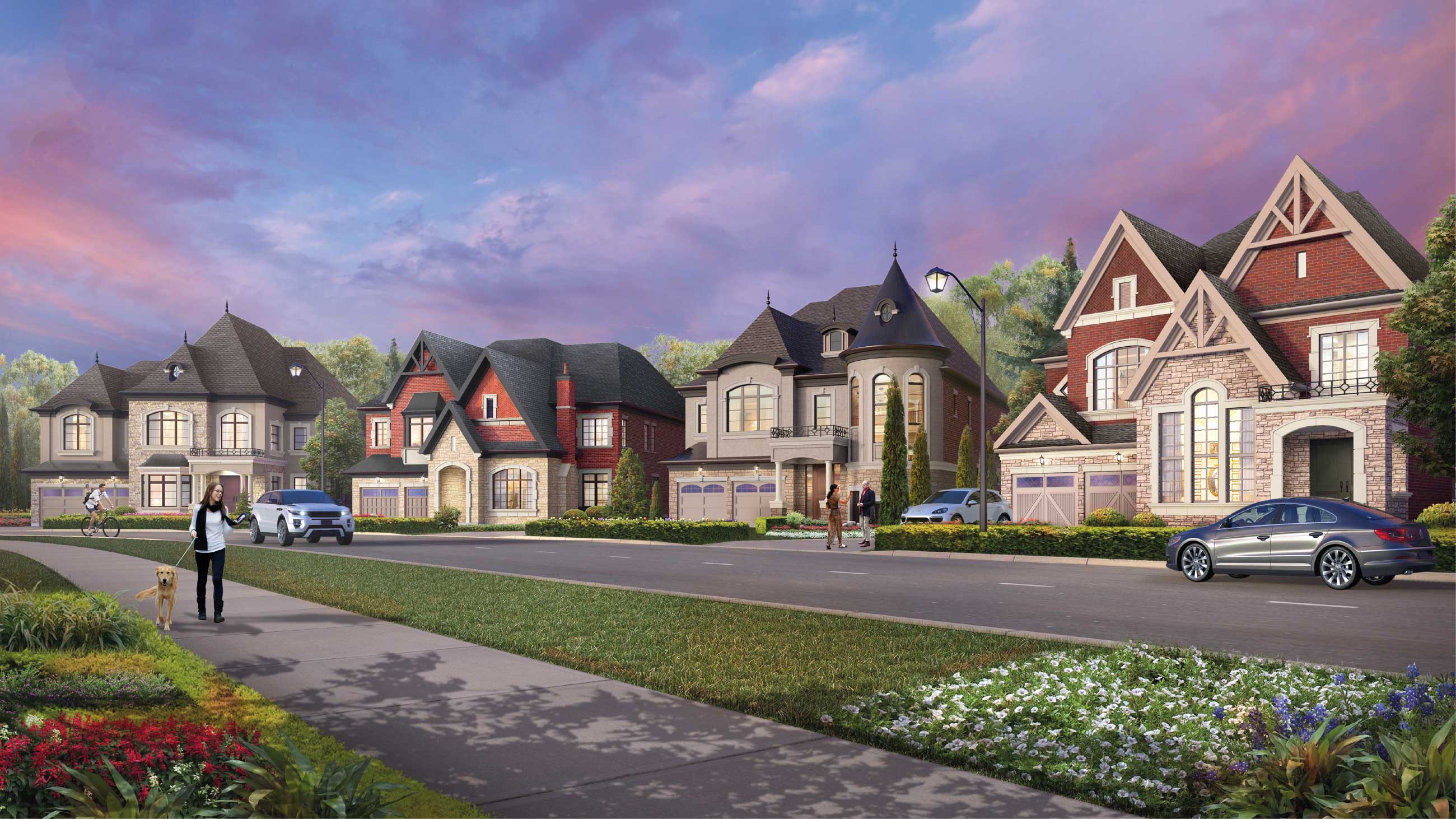
How to Choose a Community Before You Choose a Home


I've been helping people find homes across Nova Scotia for over 25 years, and I've learned something that might surprise many first-time buyers: the community matters more than the house itself.

This isn't about the four walls and a roof. It's about where you live, who your neighbours are, what your mornings feel like, and whether your kids can ride their bikes to a friend's house. It's about whether you feel at home. Before you start scrolling through listings online, take a step back. Let's talk about choosing your community first.

Why Community Comes First

You can renovate a kitchen or update flooring, but you can't renovate a community. You can't move a neighbourhood closer to good schools or change the character of a street by painting the shutters. The community is the foundation everything else is built on.

When you choose a community first, you're choosing:

  • The lifestyle you want your family to have
  • Your commute, your daily routine, and your quality of life
  • Your investment in a stable neighbourhood that retains value
  • A place where you feel you belong

Once you've identified the right community, finding the right house becomes much easier  and often, better houses become available because you know what you're looking for.

The Essential Community Checklist

Here are the key factors I ask my clients to evaluate before they commit to a community:

Schools & Education

Even if you don't have kids yet, school quality matters for resale value. Research the primary and secondary schools in the area. Do they align with your values? Are they ranked well? Talk to parents who live there. In Halifax, families often evaluate neighbourhoods by their school catchments. The same applies in secondary markets like Truro, Kentville, and New Glasgow.

Walkability & Daily Convenience

Can you walk to a grocery store, coffee shop, or pharmacy? Do your kids have to be driven everywhere, or can they develop independence safely? A walkable community adds years to your life and reduces stress. In Halifax, neighbourhoods like the South End, North End, West End have vibrant walkability with local shops, restaurants, and parks within steps. Lunenburg's downtown is another excellent example of a community where you can walk for daily needs. Compare that to suburban areas where you're dependent on a car for everything both affect your daily quality of life.

Commute & Access

Where will you work? How long is the commute? Is public transit available if you need it? With more people working remotely, this might matter less than it used to, but it's still worth considering. If you work downtown Halifax but live in Dartmouth, the bridge traffic and weather impact your daily life. If you're in Truro or Kentville with remote work, the trade-off is a quieter community with lower costs. Living near Yarmouth or Sydney means being further from major services but offers a different lifestyle entirely.

Parks, Recreation & Community Life

Are there parks for your family? Sports leagues? Community centres? A vibrant farmers market or local restaurants? Halifax's waterfront parks and the Downtown Commons define quality of life. Bridgewater, Wolfville, and New Glasgow along with other smaller communities often have strong local event culture and recreation programs. These define how you'll spend your free time and what your community feels like.

Neighbourhood Vibe & Demographics

Talk to the people who live there. Are neighbours friendly? Do they gather? Or is everyone keeping to themselves? Does the neighbourhood feel safe? Does it reflect your values? In Halifax, neighbourhoods like the Hydrostone and Clayton Park have distinct identities and communities. Secondary markets like Antigonish have tight-knit, family-oriented cultures. This is subjective, but it matters enormously.

Market Trends & Future Growth

Is the neighbourhood growing, stable, or declining? Are property values appreciating? Is new development happening? You want to buy into a community that's moving forward, not standing still. Watch for infrastructure improvements, new businesses opening, and demographic trends. This protects your investment long-term.

How to Research a Community

Research doesn't mean reading reviews online and calling it done. Here's how I recommend you really get to know a community:

  • Visit multiple times, at different times of day and on different days of the week. Saturday morning feels different from Tuesday evening.
  • Talk to residents. Stop by a local coffee shop and chat with people. Ask about what they love and what they don't.
  • Check out local Facebook groups, community associations, and online forums. What are people talking about?
  • Walk the neighbourhoods at dawn and dusk. You learn a lot about a place during the quiet hours.
  • Look at crime statistics, school report cards, and market data. These tell important stories.
  • Imagine yourself living there one year from now. Can you picture it? If not, it's not the right fit.

Finding the Right House, in the Right Community

Once you've chosen your community, the real estate part becomes much easier. You know what you want. You know where you want to be. Now you can evaluate individual homes with intention.

A home is an asset, but a community is where you live. The best real estate investment is one where you actually want to stay, where you feel grounded, and where your quality of life improves every single day.

This is what I mean when I talk about 'where you live is just as important as the home you live in.'

Ready to Explore Nova Scotia Communities?

Choosing a community can feel overwhelming, especially if you're new to Nova Scotia or considering a move to a different neighbourhood. That's where I come in. With over 25 years of experience working across residential and commercial real estate throughout Nova Scotia from Halifax's urban core to secondary markets like Truro, Yarmouth, New Glasgow, Bridgewater, I know these communities very well. I understand what makes each one special, where the market is moving, and which neighbourhoods align with different lifestyles.

If you're thinking about a move or want to explore what different Nova Scotia communities have to offer, We'd love to help. Let's find not just a house, but a home in a community where you truly belong.

April 10, 2026

Two Very Different Markets: What's Really Happening in Halifax vs. Rural Nova Scotia Right Now


If you've been paying attention to Nova Scotia real estate lately, you may have noticed something interesting: the conversations happening in Halifax coffee shops sound nothing like the ones happening at kitchen tables in Antigonish, Yarmouth, or Pictou County. That's because, right now, we're essentially living in two separate real estate markets — and understanding the difference could save you a lot of money, frustration, or missed opportunity.

Let me break it down for you.

Halifax: Still the Engine, Still Competitive

Halifax continues to lead the province in real estate activity, and the numbers back that up. The average residential sale price in the Halifax market crossed the $600,000 threshold in 2025 — a 4.1% year-over-year increase — and 2026 is expected to see another 3% gain on top of that. Sales volumes are holding steady, and the HRM is widely expected to remain in slight seller's market territory, gradually moving toward balance as the year progresses.

What's driving Halifax? Population, plain and simple. The city has grown to over 500,000 residents, fuelled by both international immigration — which hit its second-highest level on record between 2023 and 2024 — and interprovincial migration from higher-cost provinces. That demand doesn't evaporate overnight. People need places to live, and Halifax has the jobs, the universities, and the infrastructure to keep attracting them.

Within the HRM, the hottest areas heading into 2026 are Dartmouth, Sackville, and Bedford West. Dartmouth offers urban access with a more relaxed feel. Sackville is the go-to for families who want value without sacrificing amenities. And Bedford West continues its rapid expansion as one of Atlantic Canada's fastest-growing planned communities. If you're a seller in any of these areas, you're in a far stronger position than most of the province right now.

The Halifax-Dartmouth market is also tracking better than provincial averages on days on market. While the province as a whole saw average days on market climb to around 69 days in March 2026, Halifax was sitting closer to 52 days with a sold-to-list ratio holding near 97%. That's a meaningful difference.

The challenge in Halifax? Affordability. With average prices now well above $600,000 in many segments, first-time buyers are finding the entry point steep. The Bank of Mom and Dad is increasingly part of the equation, with gifted down payments and co-signing becoming common. Nova Scotia's 2% Down Payment Program is helping at the margins, but for many locals, the math is still a stretch.

Rural Nova Scotia: A More Complex Story

Step outside the HRM, and the picture changes considerably — and not always in the direction you might expect.

On one hand, rural Nova Scotia still has genuine appeal. Lifestyle buyers continue to discover what those of us who grew up here have always known: you can own a property with land, ocean views, or historic character for a fraction of what a comparable lifestyle would cost in Ontario or B.C. Remote work has made this possible for a whole new category of buyer who doesn't need to commute to a city every day. That's a real tailwind.

But rural markets are facing pressures that Halifax largely doesn't.

The Non-Resident Provincial Deed Transfer Tax has had a significant chilling effect on rural real estate. At 10% of the purchase price for out-of-province buyers, this tax adds $50,000 to a $500,000 transaction before the buyer even gets the keys. The original intent was to cool overheated urban markets — but rural Nova Scotia was swept into the same net. Communities that historically relied on buyers from Ontario, Alberta, and beyond to sustain demand are now seeing those buyers take a hard look at New Brunswick, PEI, and Newfoundland instead — provinces with far lower or non-existent deed transfer taxes.

The practical result? Some rural sellers, particularly seniors looking to downsize or exit entirely, are cutting prices by 10% or more just to make the math work for out-of-province buyers. Others are simply staying put rather than listing. Farmhouses sit. Inventory accumulates. Buyer pools shrink.

The Foreign Buyer Ban Myth is another issue worth addressing directly — because misinformation here has done real damage. The federal foreign buyer ban does not apply to rural Nova Scotia. Rural and recreational properties outside of designated census agglomerations are exempt. Full stop.

The problem is that the federal government communicated this so poorly at the outset that many international buyers, their lawyers, and even some real estate professionals assumed the ban applied everywhere. That misunderstanding became its own chilling effect. Buyers who were perfectly eligible to purchase in rural Nova Scotia walked away — or never inquired in the first place — because they believed the door was closed when it was actually open.

This is one of the most consequential pieces of misinformation still circulating in our market. If you're a foreign buyer with interest in rural or coastal Nova Scotia property, get proper legal advice — because the rules are very likely not what you've heard.

What the Numbers Tell Us Province-Wide

Across Nova Scotia, the spring of 2026 is showing early signs of stabilization after a quiet winter. March came in at 617 units sold province-wide — an improvement over January and February — but still trailing March 2025's 656 units. Average prices rebounded to approximately $463,000 in March after a dip in February, running roughly 3% ahead of the same time last year.

Days on market province-wide have climbed to nearly 70 days. Buyers are negotiating 3–4% below asking on average. Overpriced listings are sitting. This isn't a crisis, but it is a market that rewards preparation, honest pricing, and strong marketing — particularly outside the HRM.


What This Means If You're Buying or Selling

If you're buying in Halifax, you still have more negotiating room than you did 18 months ago, but don't expect fire-sale pricing. Well-priced homes in desirable areas continue to attract competition. Come prepared, know your numbers, and move with confidence when the right property appears.

If you're selling in Halifax, accurate pricing is everything right now. The days of listing high and watching multiple offers roll in are largely behind us. A professionally marketed, properly priced home in HRM is still selling — just with less margin for error.

If you're buying in rural Nova Scotia, this may be a window worth taking seriously. More inventory, more patient sellers, and a buyer pool that has thinned out mean genuine opportunities exist for local buyers and those who qualify without triggering the deed transfer tax. Do your homework on the local market, get a professional assessment, and don't assume prices in rural areas track with Halifax.

If you're selling in rural Nova Scotia, pricing strategy has never mattered more. Understand who your realistic buyer pool is. If your property appeals primarily to local buyers, price accordingly. If you're counting on out-of-province interest, factor the deed transfer tax reality into your expectations from day one.

The Bottom Line

Nova Scotia is not one market — it never really was. Halifax is urban, driven by population growth and employment, and will continue to perform. Rural markets are nuanced, community-by-community, and right now face headwinds from policy decisions that were never designed with them in mind.

If you're navigating either side of this market, local expertise matters more than ever. Generic advice won't cut it when the difference between a sale and a stale listing comes down to understanding exactly who is in the buyer pool for your specific property, in your specific community.


April 3, 2026

Renting vs. Buying in Halifax: The 2026 Math


There’s a question I get asked more than almost anything else: “Does it actually make sense to buy right now, or should I keep renting?”

It’s a fair question. And honestly, the answer isn’t the same for everyone. But what I can do is lay out the real numbers so you can make the call that’s right for your situation. No pressure, no sales pitch. Just the math.

What Renting Actually Costs in Halifax Right Now

Halifax rents have climbed significantly over the past few years. As of early 2026, the median rent across all property types in Halifax sits around $2,150 per month. If you’re looking specifically at a two-bedroom purpose-built rental, you’re closer to $1,650 to $1,700.

Here’s the thing about rent in Halifax that a lot of people don’t realize: Nova Scotia now has the third-highest average rents in Canada, behind only British Columbia and Ontario. That’s a massive shift from just five years ago when Halifax was considered one of the more affordable cities in the country.

There is some good news for renters. Rent growth is finally starting to cool. Two of Halifax’s largest landlords, Killam and CAPREIT, both reported slower rent increases in 2025 compared to 2024. Asking rents for two-bedroom apartments actually pulled back about 7% from their 2024 peak. A wave of new rental construction is creating more options at the higher end of the market, and the vacancy rate has improved to around 2.7%, up from a painfully tight 1.0% that held for four straight years.

Nova Scotia also has a temporary rent cap in place at 3% per year for existing tenants. That protects you if you’re staying put, but it doesn’t help if you’re moving to a new unit at market rates.

So let’s say you’re renting a two-bedroom apartment at $1,700 per month. That’s $20,400 a year. Over five years, even with modest 3% annual increases under the rent cap, you’re looking at roughly $108,000 in total rent paid. And at the end of those five years, you own nothing.

What Buying Looks Like in 2026

The Halifax housing market has shifted. We’re no longer in the wild days of 2021 and 2022 where everything sold in 48 hours with multiple offers. The average sale price in Halifax hit around $595,000 in early 2026 (for the Halifax-Dartmouth area specifically), with the median sitting closer to $592,000. The MLS benchmark price for Nova Scotia overall is about $423,700.

Days on market have stretched out to an average of 49 days, with  inventory rising. Buyers have more time, more choices, and more negotiating room. This is a good thing if you’re looking to buy.

Now let’s talk about interest rates. The Bank of Canada is holding steady at 2.25% as of March 2026. The best five-year fixed mortgage rate available right now is around 4.09%, and the best five-year variable rate is about 3.35%. Most forecasters expect rates to remain fairly stable through 2026, though there’s a possibility of a slight increase later in the year depending on how trade tensions and inflation play out.

Let’s Run the Numbers

Here’s a realistic comparison using a starter home scenario in Halifax.

The Renter:

  • Monthly rent: $1,700
  • Renter’s insurance: ~$40/month
  • Annual rent increase: 3% (under rent cap)
  • Total monthly housing cost: ~$1,740

The Buyer (purchasing at $425,000):

  • Down payment: 5% ($21,250) with CMHC insurance
  • Mortgage amount (with insurance premium): ~$419,900
  • Mortgage rate: 4.09% (five-year fixed)
  • 25-year amortization
  • Monthly mortgage payment: ~$2,220
  • Property tax: ~$350/month (Halifax residential rate)
  • Home insurance: ~$100/month
  • Estimated maintenance (1% of home value annually): ~$354/month
  • Total monthly housing cost: ~$3,024

On a pure monthly cash flow basis, buying costs roughly $1,284 more per month than renting in this scenario. That’s significant, and it’s money that could be invested elsewhere.

But Here’s What the Monthly Number Doesn’t Tell You

Every mortgage payment you make has two parts: interest and principal. In the early years of your mortgage at 4.09%, roughly $800 to $900 of that $2,220 monthly payment goes directly toward paying down your loan. That’s money that stays with you as equity. It’s forced savings that you’ll get back when you sell.

Over five years, you’d pay down approximately $55,000 in principal on that mortgage. If Halifax home values grow even modestly at 2 to 3% per year (which is roughly what forecasters are projecting), your $425,000 home could be worth $470,000 to $490,000 by 2031. Combined with your principal paydown and your original down payment, you could be sitting on $115,000 to $135,000 in equity.

Your renter? They’ve paid out over $108,000 in rent and built zero equity.

When Renting Still Makes More Sense

I’m a real estate agent, but I’m also going to be honest with you. Buying isn’t always the right move. Renting might be the better choice if:

You’re not sure you’ll stay. If there’s a good chance you’ll move within two or three years, the transaction costs of buying and selling (land transfer tax, legal fees, real estate commissions) can eat into any equity you’ve built. You generally need to stay in a home for at least three to five years to come out ahead.

You’re stretching beyond your comfort zone. If buying means you’re house-poor with nothing left for savings, emergencies, or actually enjoying your life, it’s not worth it. The 2026 market is more forgiving than the last few years, but that doesn’t mean you should overextend.

You have high-interest debt. Paying off a credit card at 20% interest will always beat the 2 to 3% annual appreciation you might see on a home. Get your financial house in order first.

You value flexibility. Renting gives you the freedom to move for work, try different neighbourhoods, or change your living situation without the weight of a mortgage. That has real value, even if it doesn’t show up on a spreadsheet.

When Buying Makes Sense

On the other hand, buying in Halifax in 2026 might be one of the better entry points we’ve seen in years. Here’s why:

The market has rebalanced. Inventory is up, days on market are longer, and you have room to negotiate. This is a far cry from the bidding wars of 2021.

Rates are stable and reasonable. At 4.09% on a five-year fixed, we’re well below the peaks of 2023 and in a range that most budgets can absorb. And if rates do come down further in the next few years, you’ll have the option to renegotiate at renewal.

Programs are stacking in your favour. There are more supports available to first-time buyers right now than there have been in years, and they work together:

Nova Scotia’s 2% Down Payment Pilot launched February 3, 2026. It cuts the standard minimum down payment from 5% to just 2% for eligible first-time buyers, with no mortgage insurance required. The province backs the mortgage through a guarantee. It’s available exclusively through participating credit unions, and there’s a price cap of $570,000 in HRM and East Hants, or $500,000 elsewhere in the province. On a $500,000 purchase, that’s the difference between needing $25,000 upfront versus $10,000.

The First Home Savings Account (FHSA) is one of the most powerful savings tools available. You can contribute up to $8,000 per year (with a $40,000 lifetime cap), your contributions are tax-deductible, and withdrawals for a qualifying home purchase are completely tax-free. Unlike the RRSP Home Buyers’ Plan, you never have to pay it back. If you haven’t opened one yet, it’s worth looking into right now.

The RRSP Home Buyers’ Plan (HBP) lets you withdraw up to $60,000 from your RRSP tax-free toward a home purchase. You do have to pay it back over 15 years, but for withdrawals made between 2022 and 2025, repayment doesn’t start until the fifth year. And yes, you can use the HBP and the FHSA together on the same purchase. For a couple, that could mean up to $200,000 in combined tax-advantaged savings toward your down payment.

The First-Time Home Buyers’ Tax Credit gives you a $10,000 non-refundable tax credit at purchase, and if you’re buying new construction, there’s a GST rebate under Bill C-4 that can put significant dollars back in your pocket (note: that one only applies to new builds, not resale).

30-year amortization on insured mortgages is now available for first-time buyers as of late 2024. Stretching from 25 to 30 years lowers your monthly payment, which can make the difference between qualifying and not.

You’re building something. At the end of the day, every mortgage payment puts a little more ownership in your pocket. Rent payments don’t do that.

The Bottom Line

There’s no universal right answer here. The “right” choice depends on your income, your savings, your timeline, your lifestyle, and honestly, your gut feeling about where you want to be in five years.

What I will say is this: the 2026 Halifax market is giving buyers something they haven’t had in a long time. Time. Options. Breathing room. If you’ve been waiting for a window to get in, this is one worth looking through.

If you want to run the numbers specific to your situation, I’m always happy to sit down and walk through it with you. No obligation, no pressure. Just a real conversation about what makes sense for your life.


March 27, 2026

Spring Cleaning Your Home Before Listing: What Actually Matters (and What Doesn’t)


Spring is officially here in Nova Scotia, and with it comes the itch to get your home on the market. But before you call your agent (hi, that’s us), there’s one thing worth doing first: a strategic spring clean.

Notice we said strategic. This isn’t about scrubbing every baseboard with a toothbrush or reorganizing your spice rack alphabetically. When you’re preparing to list, the goal isn’t a Pinterest-perfect home. It’s a home that feels well cared for, spacious, and move-in ready to a buyer walking through the door.

Here’s where to put your energy, and where you can skip it.

Start with the Stuff, Not the Cleaning Supplies

You can’t deep clean a cluttered space, and you definitely can’t show one. Before you touch a sponge, walk through your home room by room and start pulling things out.

We’re talking about the coats piled on hooks by the door, the toys in the living room, the “junk drawer” that’s become a junk counter. Buyers want to picture their life in your space, and that’s hard to do when every surface tells the story of yours.

A good rule of thumb: if you haven’t used it in the past year, it’s time to donate, toss, or pack it away. Think of this as getting a head start on your move.

Deep Clean the Spots Buyers Actually Notice

You don’t need to clean everything to a laboratory standard, but there are a few areas buyers zero in on. These are the ones worth your time.

Kitchen appliances and surfaces. Pull everything out of the fridge, wipe down the shelves, and clean inside the oven. Grease buildup on the stovetop and backsplash is one of those things homeowners stop seeing but buyers notice immediately.

Bathrooms. Grout lines, shower doors, faucets, under the sink. A bathroom that sparkles tells a buyer the home has been maintained. One that doesn’t raises questions about what else has been ignored.

Windows. Spring light is beautiful, but it’s also unforgiving. Clean windows, let natural light flood in and make every room feel bigger and brighter. Don’t forget the tracks and the sills.

Floors and baseboards. Scuffed floors and dusty baseboards can make a well-kept home feel tired. A good mop, a pass with a damp cloth along the trim, and you’d be surprised how much fresher things feel.

Don’t Forget the Nose Test

Here’s one that sellers almost always overlook: smells. You’re used to your home’s scent, so you probably don’t notice it anymore. But buyers will.

Pet odours, cooking smells, and musty basements are the top complaints from people walking through listings. Before you list, ask a friend with a fresh nose to do a walkthrough and be honest with you. If there’s an issue, a professional deep clean is worth the investment. And whatever you do, skip the heavy air fresheners. Buyers tend to assume strong fragrances are covering something up, and that’s the opposite of the impression you want to make.

Curb Appeal Counts More Than You Think

The outside of your home is the first thing a buyer sees, and first impressions are hard to undo. The good news is that curb appeal fixes are usually fast and affordable.

Pressure wash the driveway, walkways, and siding. Clear out dead leaves and winter debris from garden beds. If your front door paint is peeling or faded, a fresh coat goes a long way. Even something as simple as a clean doormat and a couple of planters by the entrance can shift the whole feeling of a home.

What You Can Skip

Not everything needs to happen before listing day. Here are a few things sellers tend to overthink.

Full renovations. Unless your agent recommends a specific update that will pay for itself, major renos before listing are usually not worth the time or money.

Perfectly organized closets. Tidy is good. Colour-coded and Pinterest-worthy is unnecessary. Buyers open closets to see the space, not to admire your folding technique.

Repainting every room. If your walls are in reasonable shape and the colours aren’t wildly bold, you’re probably fine. A touch-up in high-traffic areas is usually enough.

The Real Goal

At the end of the day, spring cleaning before a listing isn’t about perfection. It’s about removing distractions so buyers can see the home itself. A clean, decluttered, fresh-smelling space tells a simple story: this home has been loved and taken care of. That’s what sells.

Thinking about listing this spring? We’d love to walk through your home and help you figure out exactly what’s worth doing before we go to market. Every home is different, and a little planning goes a long way.

March 20, 2026

Spring Is Here: How to Get Plugged into Your New Nova Scotia Community


You made the move. The boxes are unpacked (mostly), the keys are in your hand, and the Nova Scotia air already feels a little different. A good kind of different. But here’s what we always tell our clients: buying a home is only half the story. The other half? Finding your people.

Spring is the perfect time for that. As the province shakes off winter and the days stretch longer, communities across Nova Scotia come alive with events, leagues, and gatherings that welcome newcomers with open arms. If you’ve recently moved here, or you’re planning to, this is your guide to getting plugged in from day one.

Festival Season Starts Now

Nova Scotia doesn’t do festivals halfway. From the moment spring arrives, there’s something happening nearly every weekend, and these events are some of the fastest ways to meet your neighbours and get a feel for the culture of your new community.

In the Halifax area, keep an eye out for the Hal-Con Pop Expo, the Halifax Jazz Festival, and the Halifax Busker Festival as summer approaches. On the South Shore, the Lunenburg Folk Harbour Festival is a bucket list event, and the Apple Blossom Festival in the Annapolis Valley is a beloved tradition that’s been running for nearly a century. Cape Breton’s Celtic Colours in the fall is worth planning your whole autumn around.

But spring is also full of smaller, hyper-local events that won’t make every tourism website. Community breakfasts at the local fire hall. Plant sales at the garden club. Outdoor markets popping up in parking lots. These are the ones where you’ll actually get to know the people on your street, and that’s where the magic happens.

Find Your League

One of the fastest ways to build a social circle in a new place? Join a team. Nova Scotia has a thriving recreational sports scene, and most leagues are beginner-friendly and designed for adults who just want to have fun.

Soccer, softball, and slo-pitch leagues run throughout spring and summer in nearly every community across the province. Halifax Sport and Social Club offers everything from volleyball to dodgeball to kickball, with the emphasis firmly on the “social” part. If you’re on the water, rowing and dragon boat clubs are always looking for new paddlers, and the community around those sports is incredibly tight-knit.

Curling clubs across the province also run spring bonspiels and beginner clinics, and they’re some of the most welcoming spaces you’ll find. If competitive sports aren’t your thing, walking groups, running clubs, and cycling groups are active in most towns and are a low-pressure way to meet people while exploring your new surroundings.

And then there’s pickleball. If you haven’t noticed, it’s everywhere right now, and Nova Scotia is no exception. New courts are popping up across the province, and the drop-in nature of most sessions makes it one of the easiest sports to just show up and play. It draws all ages, the learning curve is gentle, and the social side of it is half the appeal. Check your local recreation centre or community Facebook group because chances are there’s a session running near you this week.

Clubs, Groups, and Gathering Spots

Not every connection has to happen on a field or at a festival. Nova Scotia has no shortage of clubs and community groups that bring people together around shared interests.

Local libraries are a goldmine for this. Most branches across the province host book clubs, maker workshops, language exchanges, and family programming. The Halifax Public Libraries system alone runs hundreds of free events every month. If you’re in a smaller community, check with your local branch because they often serve as the unofficial town square.

Volunteer fire departments, service clubs like Rotary and Lions, church groups, and community gardens are all active across the province and are always looking for new members. For parents, school PTAs, minor sports associations, and Scouts or Guides groups are a natural way to connect with other families in the neighbourhood.

And if you’re into something more niche? There’s likely a group for that too. Board game nights at local pubs, photography clubs, hiking groups, knitting circles, maker spaces, and even astronomy clubs. Nova Scotia’s communities are small enough that showing up once or twice is usually all it takes to become a regular.

Our Best Advice? Just Show Up

We know it can feel awkward walking into a room where everyone seems to know each other. That’s normal. But Nova Scotians are famously friendly, and most community groups are genuinely excited when new people come through the door. You don’t need to commit to anything right away. Just show up, introduce yourself, and see what clicks.

When we help clients find a home in Nova Scotia, we think about more than square footage and lot size. We think about the community you’re joining. The coffee shop where you’ll become a regular. The trail where you’ll walk your dog every morning. The neighbour who’ll wave from across the street. That’s what turns a house into a home.

Spring is your invitation to get out there and start building those connections. We promise, the people are worth it.

March 13, 2026

The Real Cost of Living in Nova Scotia


Here is something most real estate agents will never tell you: the listing price is only part of the story.

When people move to Nova Scotia, or even when they are buying their first home right here in the province, they tend to focus on one number: what does the house cost? And I get it. That number matters. But after 20+ years selling real estate across this province, I can tell you the questions that come after closing are the ones that catch people off guard.

What are my property taxes going to be? How much does it actually cost to heat a house through a Nova Scotia winter? And if I am moving out to the South Shore or the Valley, can I actually work from home?

I would rather have this conversation with you now than have you feel blindsided six months into homeownership. So let us talk about the real cost of living in Nova Scotia.

Property Taxes: It Is Not One Rate Across the Province

One of the biggest misconceptions I see is people assuming that property taxes work the same everywhere in Nova Scotia. They do not. Not even close.

In the Halifax Regional Municipality, the residential tax rate sits around $1.25 per $100 of assessed value in urban areas like Halifax, Dartmouth, Bedford, and Sackville. Move out to suburban communities like Fall River or Hammonds Plains and that drops to about $1.10 per $100. On a home assessed at $350,000 in HRM, you are looking at roughly $4,300 to $4,400 per year in property taxes.

But here is the piece that surprises people. Property tax rates vary by municipality across the province. Some smaller towns carry rates of $1.95 per $100 of assessment or even higher. That charming Victorian in a small town might come with a property tax bill that is significantly more per dollar of assessed value than a comparable property in HRM.

There are a couple of important things to understand here.

First, Nova Scotia uses a property assessment cap for existing homeowners. Your assessed value cannot increase by more than the rate of inflation each year, which protects you from sudden jumps. But when you buy a property, the cap resets. That means the taxes you see the current owner paying may be significantly lower than what you will pay, because your assessed value jumps to the current market assessment. This is a detail that catches a lot of first time buyers off guard.

Second, if you are looking at property in rural Nova Scotia, remember that lower property taxes sometimes reflect fewer municipal services. There might not be municipal water or sewer, which means you are maintaining a well and septic system. Those are real ongoing costs that do not show up on a tax bill.

And one more thing for anyone moving from outside the province: Nova Scotia increased the Non-Resident Deed Transfer Tax to 10% as of April 2025. If you are buying as a non-resident, you will need to either plan for that additional cost or commit to moving here within six months of closing to have it waived.

Heating Costs: The Expense Nobody Budgets For

If you have never lived through a Nova Scotia winter, this is the section to read twice.

Heating your home here is a real and significant annual expense, and the cost varies dramatically depending on what system you are using. Nova Scotia still has a large number of homes heated by oil, and that has been one of the most expensive ways to keep a house warm. Depending on the size of your home, its insulation, and the severity of the winter, oil heated households can expect to spend anywhere from $2,000 to $5,500 per year just on heating fuel.

That is not a typo. And it is one of those costs that people moving from milder climates or from provinces with natural gas simply do not anticipate.

The good news is that heat pumps have been transforming the equation for Nova Scotia homeowners. A properly installed cold climate heat pump can cut heating costs significantly compared to oil. Many families report savings of thousands of dollars a year after making the switch. And the provincial government has been aggressive about funding the transition. Through the Oil to Heat Pump Affordability Program, eligible homeowners have been able to access up to $30,000 in combined federal and provincial funding to cover the full cost of converting from oil to a heat pump.

Now, there is a catch worth mentioning. The federal portion of that program (up to $15,000) is expected to be fully committed in 2026 due to high demand. That funding is winding down here before other provinces, specifically because Nova Scotia took such strong early advantage of it. So if you are buying a home that still runs on oil, the window to access maximum rebate dollars is narrowing.

When I am working with buyers, I always encourage them to look at the heating system in any home they are considering. A home with a modern heat pump system in place is not just more comfortable. It is genuinely cheaper to operate month over month. And if the home still has oil heat, we need to factor the cost of upgrading into the overall purchase decision.

What to ask when you are viewing a home: What is the primary heating source? When was the system last serviced or replaced? What did the current owners spend on heating last winter? If there is a heat pump, is it a cold climate rated unit? These are not nosy questions. They are essential ones.

Rural Internet: The Question That Can Make or Break a Purchase

This is the one that has become personal for so many buyers, especially over the last few years as remote work has gone from a temporary arrangement to a permanent lifestyle for a lot of people.

You find the perfect property. It is on a beautiful piece of land, priced right, maybe even has water views. And then you find out the internet situation, and everything changes.

The honest answer is that internet access in Nova Scotia has improved enormously. The province launched the Internet for Nova Scotia Initiative, and as of early 2026, over 103,000 previously underserved homes and businesses now have access to high speed internet. The original target of 95% coverage has been surpassed, and the province is working toward reaching close to 100% of Nova Scotians through a combination of fibre, fixed wireless, and satellite solutions.

But "access" and "ideal" are two different things.

In urban HRM, you will generally have fibre or high speed cable options from providers like Bell and Eastlink. No concerns there. But once you move outside the urban footprint, the picture gets more varied. Some rural communities now have fibre to the home. Others rely on fixed wireless. And for the most remote properties, Starlink satellite internet may be the primary or only option.

Starlink works well for most uses and delivers speeds that would have been unthinkable for rural Nova Scotia even five years ago. But it comes with a monthly cost around $140 and upfront hardware fees, and the experience can vary with weather and network congestion. If you are on daily video calls for work, or if your household has multiple people streaming and working simultaneously, you want to know what you are getting into before you buy.

My advice to every buyer looking at rural property: check the internet situation before you fall in love with the view. Look up the address on provider websites. Ask the current owners what their experience has been. If the area is part of an ongoing fibre project through Build Nova Scotia, find out where things stand. This is not a nice to know. For many buyers, it is a deal breaker, and it is better to find that out early.

Why I Am Telling You All This

I know this is not the typical real estate blog post. Most agents would rather talk about how affordable Nova Scotia is compared to Ontario (it is), or how beautiful the coastline is (it absolutely is), or how friendly the communities are (you have no idea).

And all of that is true. I love this province. I have spent my entire career here because I genuinely believe there is no better place to build a life. But part of helping people find their home in Nova Scotia is making sure they go in with their eyes open.

The purchase price of a home is important. But the real cost of living in that home, month after month and year after year, is what determines whether you can actually afford the life you are building. Property taxes, heating, internet, well and septic maintenance, insurance, commuting costs if you are living rurally. These are the things that add up, and they deserve to be part of the conversation from day one.

That is the kind of agent I want to be. Not the one who tells you what you want to hear, but the one who gives you the full picture so you can make the best decision for your family.

Let Us Have the Honest Conversation

If you are thinking about buying in Nova Scotia, whether you are a first time buyer, relocating from another province, or looking to move from the city out to the country, I would love to help you understand the full picture. Not just the listing price, but the real cost of making this your home.

Reach out anytime. I am always happy to chat.

March 6, 2026

Spring Is Coming. Are You Ready to Buy Smart?


Spring is almost here, and that means listings are about to pick up, open houses will be packed, and buyers across Nova Scotia will start making decisions they've been thinking about all winter. It's an exciting time. It's also the time of year when we see the most avoidable mistakes.

After more than 20 years of helping people buy homes in this province, we can tell you that the buyers who have the smoothest experience aren't the ones who got lucky. They're the ones who went in prepared. So before you start scrolling through listings and booking showings, let's talk about the mistakes that trip people up most often, and how to make sure they don't trip you up too.

Waiting for the "Perfect" Time to Buy

Every spring, we talk to buyers who've been sitting on the sidelines for months (sometimes years) waiting for the market to shift in their favour. They're watching interest rate announcements, reading headlines, and trying to predict what's going to happen next.

Here's the thing: nobody can time the Nova Scotia real estate market with any consistency. Not us, not the economists, not the person on Reddit who seems really confident about it. The market moves based on so many overlapping factors that waiting for the stars to align usually just means watching prices climb while you hesitate.

Nova Scotia heading into spring 2026 is a great example of why this thinking backfires. Average home prices across the province are up compared to this time last year, and that's happened despite fewer homes selling and longer days on market. Prices aren't correcting. Population growth and sustained demand keep pushing them forward.

The best time to buy a home is when you're financially ready, when you've got your pre-approval in hand, and when you've found a place that fits your life. That's it. That's the formula.

Skipping the Pre-Approval

This one hurts to watch because it's so easy to avoid. Some buyers start touring homes before they've spoken with a lender. They fall in love with a place, decide to put in an offer, and then scramble to figure out what they can actually afford. Sometimes they find out the hard way that their budget is significantly less than they thought.

A mortgage pre-approval does more than tell you what you can spend. It tells you what you can comfortably spend, which is a very different number. It also signals to sellers that you're a serious buyer, which matters in a competitive spring market. In a situation where a seller is comparing two similar offers, the one with a pre-approval attached almost always wins.

Talk to your lender before you talk to your realtor. Or better yet, talk to both early so you're walking into spring with a clear picture.

Stretching Your Budget to the Breaking Point

We get it. You've been looking online, you've seen the houses in your price range, and then you spot one that's above your budget and it's got everything on your wish list. It's tempting to tell yourself you'll make it work.

But "making it work" often means cutting things close on a monthly basis, and homeownership comes with costs that don't show up in mortgage payment calculators. Property taxes, insurance, maintenance, the furnace that decides to quit in February. In Nova Scotia, where winter heating bills can be significant and older homes are common, those costs can add up fast.

A good rule of thumb: if your mortgage payment feels tight on paper, it will feel tighter in real life. Leave yourself breathing room. Your home should give you stability, not stress.

Not Knowing About Nova Scotia's First-Time Buyer Programs

This is the one that frustrates us the most, because it costs people real money. There are programs specifically designed to help first-time buyers in this province, and too many people either don't know about them or assume they won't qualify.

The big one right now is the province's First-Time Homebuyers Program, a pilot launched earlier this year through participating credit unions. It lets first-time buyers put down just 2% instead of the traditional 5%. The government acts as guarantor, so you don't pay for mortgage insurance. On a modest home purchase, that can mean needing thousands less upfront. That's a game changer for a lot of Nova Scotians who can handle monthly payments but struggle to save a lump sum while paying rent.

There are purchase price caps depending on whether you're buying in HRM and East Hants or elsewhere in the province, and you'll need to work through a participating credit union. It's worth looking into the details on the Government of Nova Scotia's website.

Beyond that, there's also the Down Payment Assistance Program, which provides interest-free loans toward your down payment. There's the First Home Savings Account (FHSA), which lets you save tax-free for your first home. And don't forget the RRSP Home Buyers' Plan, which lets you withdraw from your retirement savings to put toward a purchase.

These programs exist because buying a first home is hard, and they can save you thousands of dollars. If you're a first-time buyer and you haven't looked into every one of these, you're leaving money on the table.

Underestimating the Home Inspection

We've written about this before, and we'll keep saying it: a home inspection is not optional. We don't care how beautiful the kitchen is or how perfect the backyard looks. What's behind the walls and under the floors matters more than any cosmetic upgrade.

Think of a home inspector the way you'd think of a family doctor. You go because you want someone with trained eyes to look at things you can't see on your own. A good inspector will catch structural issues, electrical problems, moisture concerns, and a dozen other things that could cost you thousands down the road.

In Nova Scotia, where many homes are older and where coastal humidity and winter freeze-thaw cycles take a toll on properties, a thorough inspection isn't just smart. It's essential. The few hundred dollars you spend on an inspection could save you from a major surprise after closing.

Ignoring the Neighbourhood

Buyers get tunnel vision about the house itself and forget that they're also buying into a neighbourhood and a community. That gorgeous kitchen renovation doesn't matter much if the commute is making you miserable, or if the street doesn't feel safe, or if you're far from the things that matter to your daily life.

Before you put in an offer, spend some time in the area at different times of day. Drive the route to work during rush hour. Check out the local schools if that matters to you. Walk around in the evening. Talk to the neighbours if you get the chance. Look into the area's development plans to see what might be coming.

Nova Scotia has an incredible range of communities, from the energy of downtown Halifax to the quiet pace of the South Shore, from the growing suburbs of Sackville and Bedford to the charm of smaller towns like Truro and Antigonish. Every one of them offers something different, and the right fit depends entirely on your lifestyle. Take the time to figure out what that fit looks like for you.

Going It Alone When You Don't Have To

Buying a home involves legal contracts, financial commitments, negotiations, inspections, appraisals, and timelines. It's a lot. And while we understand the instinct to handle things independently, this is one of those situations where having the right people in your corner makes all the difference.

A good realtor doesn't just show you houses. They help you understand what you're looking at, what you should be asking, and what's happening in the local market that might affect your decision. They've been through this process hundreds of times and can spot the things you won't see on your first or even fifth time through.

Same goes for your mortgage broker, your lawyer, and your inspector. Build a team of people who know Nova Scotia real estate, and lean on them. That's not a sign of weakness. That's smart buying.

Your Next Step Starts Here

The spring market in Nova Scotia is going to be active. Inventory is expected to increase, buyer confidence is building, and with stable interest rates and strong demand across the province, there's good reason to feel optimistic about making a move this year.

But optimism works best when it's paired with preparation. Get your financing figured out early. Research the programs available to you. Don't let excitement push you past your comfort zone. Invest in the inspection. Know the community, not just the house. And surround yourself with people who've done this before.

If you're thinking about buying this spring and you're not sure where to start, that's exactly what we're here for. Let's have a conversation, no pressure, just honest guidance to help you figure out your next step.


Feb. 27, 2026

The Sweet Spot: Why the $400,000 to $600,000 Range Is the Most Competitive Market in Halifax Right Now


If you are thinking about buying or selling a home in Halifax, there is one price range you need to understand before you do anything else. The $400,000 to $600,000 range is where the action is, where the competition is fiercest, and where buyers need to be the most prepared.

Here is why.

Inventory Is Already Tight Across Nova Scotia. In This Range, It's Even Tighter.

The Nova Scotia real estate market is sitting at roughly balanced to slightly seller-favoring conditions right now, but when you zoom into Halifax specifically and narrow it down to that $400,000 to $600,000 price range, the picture changes dramatically.

We are currently looking at just 1.5 months of inventory in that segment of the Halifax market. To put that in context, a balanced market is generally considered to be around four to six months of inventory. Anything below that favors sellers, and 1.5 months is firmly in fast-moving, competitive territory.

This is not a number to take lightly if you are a buyer.

Why This Price Range?

It is not hard to understand why so much demand is concentrated here. This is the range where most move-up buyers land after outgrowing a starter home. It is also where many out-of-province buyers are shopping when they compare what their money gets them in Halifax versus Toronto or Vancouver. And it is the range that captures a huge portion of young professional households and growing families who have saved and are ready to make a serious move.

In short, a lot of people want these homes. And right now, there are not many of them available.

What This Means If You Are a Buyer

If you are shopping in this range in Halifax, preparation is everything. Being pre-approved is not optional, it is the minimum. You need to know your number, know your must-haves versus your nice-to-haves, and be ready to move quickly when the right property comes up.

Homes in this range are not sitting around waiting for you to think it over. In many cases buyers are seeing properties sell in days, sometimes with multiple offers on the table. This is not the market to test the waters in. If you are serious, you need to be serious from day one.

Working with an agent who knows the Halifax market intimately is not just helpful here, it is essential. You need someone who can alert you the moment something hits the market, help you craft a competitive offer, and guide you through a process that moves fast.

What This Means If You Are a Seller

If you own a home in Halifax in that $400,000 to $600,000 range and you have been thinking about selling, the conditions are working in your favor right now. Low inventory means less competition from other sellers, and strong demand means motivated buyers who are ready to act.

Pricing it right from day one still matters enormously. The temptation in a tight market is to push the price and see what happens. But the data consistently shows that well-priced homes outperform overpriced ones even in a seller's market, because they attract more buyers and more offers.

Presentation also still matters. Even in a competitive market, buyers notice the details. A home that shows well will always have an edge.

The Bottom Line

The Halifax market between $400,000 and $600,000 is the most active and competitive segment in the province right now. Whether you are buying or selling in that range, you need a clear strategy and someone in your corner who understands exactly what is happening on the ground.

That is exactly what I am here for.

If you are thinking about making a move in Halifax, let's have a conversation. Understanding the market is step one. Having the right plan is what gets you where you want to go.


Feb. 20, 2026

What "Selling Above the Crowd" Actually Means to Me


When I was figuring out how to describe what I do and how I try to do it differently, I needed something that felt honest. Not a catchy slogan, not a promise I could not keep, but a phrase that actually meant something. That is how "Selling Above the Crowd" came to be.

And it is not about me.

It Is About Rising Above the Noise

The real estate industry can be loud. There are agents everywhere, signs on every corner, and no shortage of people promising to be the best. For me, "above the crowd" is a reminder that standing out does not come from shouting louder. It comes from doing the work with care, communicating honestly, and remembering that every transaction represents something really significant in someone's life.

Buying or selling a home is one of the biggest decisions most people will ever make. It deserves more than a generic approach.

It Is About the Client

Every person who reaches out to me comes with a different story, different pressures, and different hopes for what comes next. Some are excited. Some are nervous. Some are navigating a sale during a really difficult chapter. What matters to me is making sure they feel informed, supported, and never like just another deal on the board.

That is what above the crowd looks like in practice. Not flashy, just genuinely attentive.

It Is About Community

My tagline is "Connecting you to community through real estate" and I mean it. Nova Scotia is not just a market to me. It is home. When I help someone find the right property, I am also hoping to help them find their place in something bigger than four walls and a roof, a neighbourhood, a community, a lifestyle that fits who they are.

That piece matters a lot to me.

So What Does It Mean?

It means showing up prepared. It means being straight with people even when it is not what they want to hear. It means caring about the outcome long after the sign comes down.

That is it, really. That is what selling above the crowd means to me, connecting you to community through real estate.


Feb. 13, 2026

5 Halifax-Area Neighbourhoods You Should Be Watching in 2026


Everyone knows about the hot spots. Bedford West is booming, Clayton Park keeps climbing, and the South End barely needs an introduction. But some of the smartest buyers I work with aren’t chasing the obvious picks. They’re looking one step ahead—at neighbourhoods where the fundamentals are strong, the price gap still exists, and momentum is clearly building.

After more than 25 years selling real estate across Nova Scotia, I’ve learned to spot the signals: new construction activity, infrastructure investment, shifting buyer attention, and communities that are starting to shed old reputations in favour of new identities.

Here are five Halifax-area neighbourhoods that I believe deserve your attention in 2026.

1. Spryfield

If you haven’t looked at Spryfield in a few years, it’s time to look again. This neighbourhood has long been one of the most affordable options on the Halifax mainland, but what’s happening here goes well beyond affordability. Spryfield is genuinely transforming.

Developers have taken notice of its proximity to the Armdale Rotary—just minutes from downtown Halifax and the South End—and new residential projects are reshaping the landscape. A proposed 1,000-unit development in the Green Acres area is expected to break ground in 2026, and Habitat for Humanity chose Spryfield for its largest Canadian project ever: a 78-unit development including townhouses and multi-unit buildings.

Meanwhile, the Cowie Hill corridor connecting Spryfield to Northwest Arm Drive has seen a surge of higher-end single-detached homes and condominiums. With a median house price sitting around $495,000 and population growth of about 3.3%, Spryfield offers something increasingly rare in HRM: room to grow at a price that still makes sense.

Why I’m watching: Spryfield is shedding its old reputation fast. Buyers who get in now are positioned to benefit from the kind of neighbourhood evolution that has already played out in places like the North End. The development pipeline here is real, and the proximity to downtown is hard to beat at this price point.

2. Fairview

Fairview is one of those neighbourhoods that quietly checks a lot of boxes. It’s well connected by transit—one of the best-served areas in HRM for bus routes—close to major shopping, and offers a diverse mix of housing from starter homes to multi-unit properties. It’s practical, central, and increasingly attractive to buyers who are being priced out of adjacent neighbourhoods like Clayton Park.

What’s driving Fairview’s quiet momentum is revitalization. New investment is flowing in, existing properties are being updated, and the neighbourhood’s diversity—both in housing stock and in the people who call it home—is being recognized as a genuine strength rather than overlooked. Dutch Village Road and the surrounding corridors are seeing renewed commercial activity, and that tends to lift residential values along with it.

For first-time buyers especially, Fairview offers an entry point into homeownership that’s still within reach—without sacrificing the convenience of being centrally located in the city.

Why I’m watching: When affordability tightens in the popular spots, the spillover effect benefits neighbourhoods like Fairview first. It has the bones—transit, location, amenities—and the price gap won’t last forever.

3. Eastern Passage

Eastern Passage sits on the southeastern edge of Halifax Harbour on the Dartmouth side, and it offers something most HRM neighbourhoods can’t: genuine coastal living at a price point that’s still accessible. Three-bedroom homes here are trading in the $350,000–$460,000 range—well below the Halifax average.

The neighbourhood has deep roots in the fishing industry, and Fisherman’s Cove—a restored 200-year-old fishing village—remains one of its most charming features. But Eastern Passage is also attracting new construction and younger families drawn by ocean views, strong schools, and a tight-knit community feel that’s hard to find closer to the urban core.

The annual Summer Carnival, local parks, recreation facilities, and the Tallahassee Recreation Centre all contribute to a neighbourhood that’s built for families. And with heritage and character that developers can’t replicate, Eastern Passage has a charm that adds long-term value beyond the numbers.

Why I’m watching: Coastal communities with character and affordability don’t stay under the radar forever. As more buyers discover what Eastern Passage has to offer, the value proposition here will tighten. Early buyers tend to be rewarded.

4. Sackville

Sackville has always been known as one of HRM’s most family-friendly neighbourhoods, and that reputation continues to serve it well. But what’s changing is the level of investment flowing into the area—and the buyer demographic it’s attracting.

RE/MAX’s 2026 housing outlook names Sackville as one of Halifax’s three most desirable neighbourhoods heading into this year, alongside Dartmouth and Bedford West. New developments like Indigo Shores on McCabe Lake in Middle Sackville are offering lakeside living with large wooded lots—the kind of lifestyle inventory that used to require going well outside HRM.

Lower, Middle, and Upper Sackville each have distinct character, but they share common strengths: good schools, growing amenities, highway access, and prices that remain more approachable than Bedford or Clayton Park. For buyers priced out of those areas, Sackville represents the natural next step—and that spillover demand is fuelling steady appreciation.

Why I’m watching: When buyers can’t find what they want in the obvious spots, they look outward. Sackville is catching that wave, and the infrastructure and community are already in place to support the growth. The new lakeside and wooded-lot developments are changing the conversation about what Sackville living looks like.

5. Harrietsfield

Here’s one that most people aren’t talking about yet—and that’s exactly why it’s on this list. Harrietsfield is a rural residential neighbourhood just 10 kilometres from downtown Halifax along Old Sambro Road, and it’s sitting on a combination of factors that tend to precede real growth.

The neighbourhood is surrounded by lakes—Bennet Lake, Moody Lake, Lizard Lake, Snowshoe Lake—and borders Long Lake Provincial Park, one of HRM’s most beloved green spaces with stunning waterfalls and kilometres of hiking trails. It’s the kind of natural setting that remote workers and young families increasingly prioritize, and it’s right on Halifax’s doorstep.

What’s got my attention is the development activity. Over 660 acres of land with lake frontage are currently available for development, and R-6 zoned parcels near Harrietsfield Elementary already have preliminary HRM approval for subdivision. The housing stock is predominantly single-detached homes—about 75% of dwellings—with homeownership rates around 95%, which speaks to the stability of the neighbourhood.

The Harrietsfield Williamswood Community Centre anchors local life, and families have access to schools from elementary through high school, with French immersion options available. It’s a neighbourhood that offers space, nature, and affordability in a market that’s running short on all three.

Why I’m watching: Harrietsfield is at the stage where smart land is being assembled and early subdivision approvals are underway. In a tightening HRM market, neighbourhoods with large landholdings, natural amenities, and proximity to the city don’t stay quiet for long. This is the kind of area where getting in early makes a real difference.

The Bigger Picture

Halifax’s real estate market has seen remarkable growth—average residential prices climbed to around $600,000 in 2025, and the province’s total property values exceeded $200 billion for the first time. But that growth isn’t evenly distributed, and that’s where opportunity lives.

The neighbourhoods on this list share common threads: they’re seeing new development, shifting buyer perception, improving amenities, and a price gap that won’t last indefinitely. They’re not the flashy picks. They’re the smart ones.

Whether you’re a first-time buyer looking for your entry point, an investor seeking emerging value, or a homeowner curious about where the next wave of growth is heading, these five neighbourhoods are worth watching closely this year.


Thinking about buying or selling in any of these neighbourhoods?

I’d love to help you explore what’s possible. With over 25  years of experience selling real estate across Nova Scotia, I know these communities inside and out—and I’m here to connect you to the one that feels like home.